Ever feel like your home network is always playing catch-up, especially with more devices than ever clamoring for a stable connection? You’re not alone. In today’s smart homes, from streaming 4K movies to competitive online gaming and a growing array of IoT gadgets, Wi-Fi can sometimes hit its limits. That’s where a trusty Home Ethernet Switch steps in, transforming your wired network into a robust, high-performance backbone.
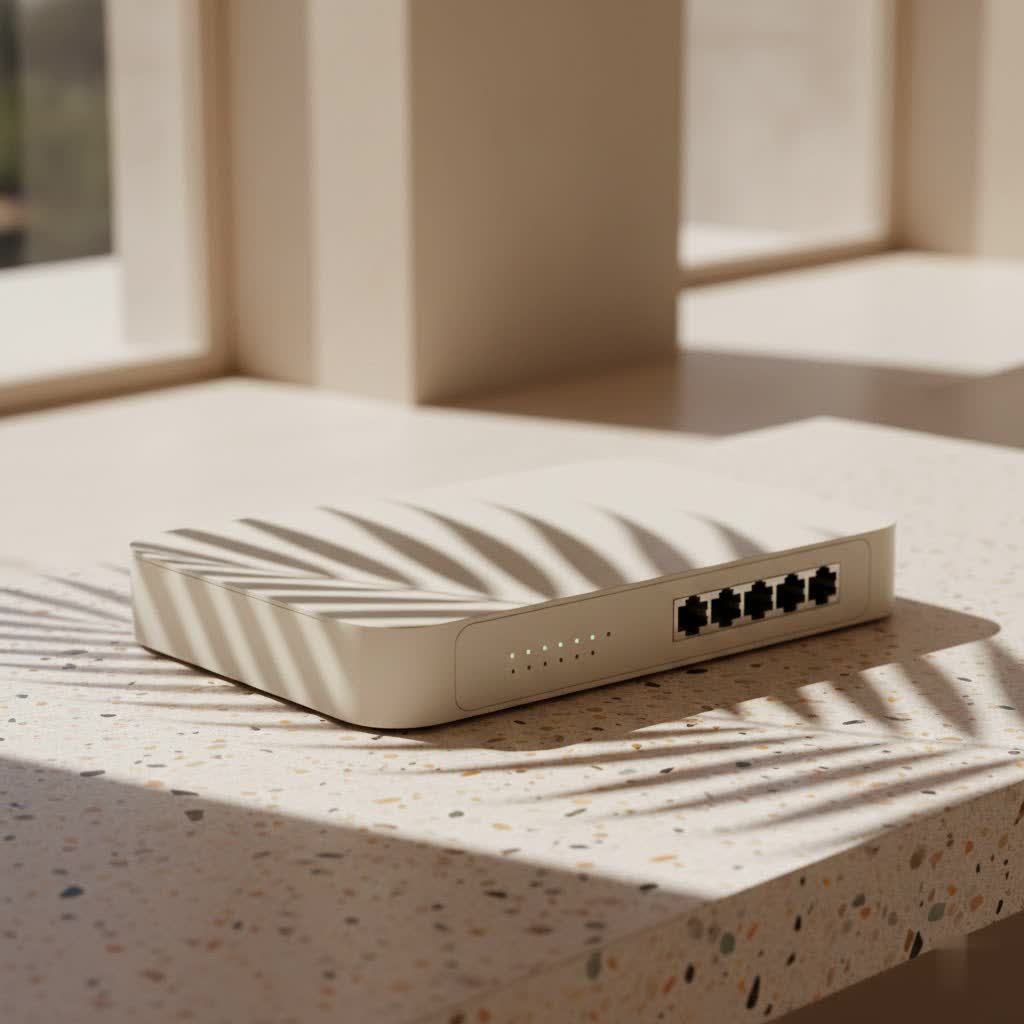
A home ethernet switch is a fundamental piece of networking gear that expands the number of available wired ports from your router, allowing you to connect multiple devices with lightning-fast, rock-solid connections. Think of it as a traffic cop for your local network, directing data packets efficiently to their intended destination without unnecessary detours or congestion. If you’ve ever wished for more Ethernet ports on your router, or yearned for the consistent speed that only a wired connection can deliver, a home ethernet switch is your answer.
What is a Home Ethernet Switch and Why Do You Need One?
A home ethernet switch is essentially a small box with multiple Ethernet ports. Its primary function is to connect various wired devices within your local area network (LAN), enabling them to communicate with each other and share the internet connection provided by your router. While your router typically offers a few Ethernet ports, modern homes often quickly outgrow this capacity.
Why is a home ethernet switch essential for your setup?
In simple terms, a switch offers dedicated bandwidth to each connected device, preventing the slowdowns that can occur when too many devices compete for Wi-Fi airwaves. Imagine streaming a high-definition movie, engaging in a video conference, and downloading a large game update all simultaneously. With a wired connection via an ethernet switch, each device enjoys its optimal performance, free from wireless interference or signal drops. This translates to less lag for gaming, smoother streaming, and more reliable data transfers.
Navigating the World of Home Ethernet Switches: Types and Features
Understanding the different types of switches available can help you pick the perfect one for your home. While some switches are designed for complex enterprise environments, several types are ideal for a home ethernet switch setup.
Unmanaged Switches: The Plug-and-Play Hero
|
Our Picks for the Best Network Switch in 2026
As an Amazon Associate I earn from qualifying purchases.
|
||
| Num | Product | Action |
|---|---|---|
| 1 | TP-Link Litewave 5 Port Gigabit Ethernet Switch - Desktop Ethernet Splitter - Unshielded Network Switch - Plug & Play - Fanless Quiet - Unmanaged (LS1005G) |

|
| 2 | BrosTrend 2.5Gb Switch, 8 Port Network Switch 2.5 Gigabit, Unmanaged Ethernet Switch for Game Console, NAS, PC, Computer Networking Switch Plug & Play Fanless, Desktop Wall Mount, Lifetime Protection |
|
| 3 | TP-Link 5-Port Gigabit Ethernet Easy Smart Switch- Plug and Play - Desktop - Sturdy Metal w/Shielded Ports - Limited Lifetime Replacement (TL-SG105E), Black… |
|
| 4 | UGREEN 16 Port Gigabit Switch, Plug & Play Ethernt Switch, Standard/VLAN Mode, Unmanaged, Sturdy Metal, Fanless Quiet, Desktop & Wall Mount Network LAN Splitter Hub for Laptop, Printer, NAS, Router |
|
| 5 | TP-Link 24 Port Gigabit Ethernet Switch Desktop/ Rackmount Plug & Play Shielded Ports Sturdy Metal Fanless Quiet Traffic Optimization Unmanaged (TL-SG1024S) |
|
| 6 | TP-Link TL-SG105S-M2 - 5-Port Multi-Gigabit 2.5G Ethernet Switch - Unmanaged Network Switch - Ethernet Splitter - Plug & Play - Desktop/Wall Mount - Silent Operation |
|
| 7 | UGREEN Ethernet Switch, 5 Port Gigabit Ethernet Splitter, Plug & Play, Wall Mount & Desktop Network Switch Hub, Unmanaged, Compact, with LED, Fanless Quiet, for Internet Cable, Laptop, Router, NAS |
|
| 8 | TP-Link 8 Port Gigabit Ethernet Network Switch - Ethernet Splitter - Plug & Play - Fanless - Sturdy Metal w/ Shielded Ports - Traffic Optimization - Unmanaged - Lifetime Protection (TL-SG108) |
|
| 9 | TP-Link TL-SG105, 5 Port Gigabit Unmanaged Ethernet Switch, Network Hub, Ethernet Splitter, Plug & Play, Fanless Metal Design, Shielded Ports, Traffic Optimization |
|
| 10 | NETGEAR 8-Port Gigabit Ethernet Unmanaged Essentials Switch (GS308) - Home Network Hub, Office Ethernet Splitter, Plug-and-Play, Silent Operation, Desktop or Wall Mount |
|
What is an unmanaged switch? An unmanaged switch is the simplest and most common type of home ethernet switch. It’s designed for straightforward plug-and-play operation, requiring no configuration. You simply connect your devices, and the switch automatically handles data traffic efficiently.
Unmanaged switches are perfect for most home users who just need more Ethernet ports without delving into complex network settings. They are cost-effective, easy to install, and provide immediate network expansion. For example, if you have a gaming console, a smart TV, and a desktop PC in your entertainment center, an unmanaged switch allows all of them to get wired internet access from a single cable run from your router.
Managed Switches: Unlocking Advanced Network Control
What sets a managed switch apart from its unmanaged counterpart? A managed switch offers advanced features and configurations, giving you granular control over your network traffic. These switches allow you to:
- Create Virtual Local Area Networks (VLANs): Segment your network into smaller, isolated virtual networks for enhanced security and traffic management. For instance, you could put your smart home devices on a separate VLAN from your main computers.
- Prioritize Traffic (QoS – Quality of Service): Ensure critical applications like video calls or online gaming receive preferential bandwidth, minimizing lag and buffering.
- Monitor Network Performance: Gain insights into traffic flow and identify potential bottlenecks.
While powerful, managed switches come with a steeper learning curve and a higher price tag. They are generally recommended for power users, home labs, or those with specific network segmentation and control needs. For most typical homes, an unmanaged switch is perfectly adequate.
Power over Ethernet (PoE) Switches: Simplifying Your Setup
Have you ever wished you could power a device like a security camera or a wireless access point using just its Ethernet cable? That’s precisely what a Power over Ethernet (PoE) switch does.
How does a PoE switch work? A PoE switch delivers both data connectivity and electrical power to compatible devices over a single Ethernet cable. This eliminates the need for separate power outlets and adapters, simplifying cabling and offering greater flexibility for device placement.
Common PoE standards include:
- 802.3af (PoE): Provides up to 15.4 watts of power per port.
- 802.3at (PoE+): Offers up to 30 watts per port, suitable for more power-hungry devices like pan-tilt-zoom (PTZ) cameras or advanced wireless access points.
- 802.3bt (PoE++): Delivers even higher power levels, up to 90 watts per port, for very demanding applications.
When considering a PoE switch for your home, especially for security cameras, it’s crucial to check the power requirements of your devices and ensure the switch’s total power budget and per-port wattage are sufficient.
Choosing the Right Home Ethernet Switch for Your Needs
Selecting the perfect home ethernet switch doesn’t have to be complicated. Here’s what to consider:
How many ports do you really need?
Before buying, count the wired devices you want to connect and consider any future additions. Switches typically come with 4, 5, 8, 16, or 24 ports. A common recommendation is to get a switch with a few more ports than you currently need to accommodate future growth. For instance, an 8-port switch is often a sweet spot for many homes.
What speeds are necessary?
For most home networks, a Gigabit Ethernet switch (10/100/1000 Mbps) is the standard. This provides ample speed for most activities like streaming, gaming, and file transfers. If you have a high-speed internet connection (e.g., 2 Gbps or higher) or frequently transfer very large files between local devices, you might consider a multi-gig switch (2.5GbE or 10GbE) for future-proofing, though these are generally more expensive.
Do you require advanced features or prefer simplicity?
This is the core managed vs. unmanaged decision. If you just need more ports and want a hassle-free experience, an unmanaged switch is your best bet. If you’re a networking enthusiast, want to set up VLANs for guests, or prioritize specific traffic, a managed (or “smart managed”) switch might be worth the investment.
Are you planning to power devices over Ethernet?
If you have IP cameras, VoIP phones, or wireless access points that support PoE, then a PoE switch is a game-changer. Ensure the switch supports the correct PoE standard (802.3af, at, or bt) and has an adequate power budget for all connected PoE devices.
“Choosing a home ethernet switch is about balancing current needs with future possibilities,” advises Lena Petrova, a Senior Network Architect at VGLan. “Don’t overcomplicate it if you don’t need to, but also don’t shy away from investing a little more for features that will genuinely improve your experience, especially with PoE for smart home devices.”
Physical design and noise
For home use, a fanless design is highly desirable to ensure silent operation, especially if the switch will be in a living area or office. Many unmanaged switches are fanless. Also, consider if you need a compact desktop switch or if wall-mounting options are beneficial.
Basic Installation and Configuration of Your Home Ethernet Switch
Getting your home ethernet switch up and running is typically straightforward, especially for unmanaged models.
1. Unbox and Power On
First, carefully unbox your switch and find a suitable location. Ideally, this should be near your router and the devices you intend to connect. Plug the switch into a power outlet. Most unmanaged switches will power up and be ready for the next step almost immediately.
2. Connect to Your Router
Take a standard Ethernet cable and connect one end to an available LAN port on your primary router. Connect the other end of that same cable to any port on your new home ethernet switch. This establishes the connection between your existing network and the new switch, effectively extending your router’s wired capacity.
3. Connect Your Devices
Now, take Ethernet cables from your devices (PCs, gaming consoles, smart TVs, network-attached storage (NAS), etc.) and plug them into the remaining available ports on your switch. The switch will automatically detect the devices and begin directing traffic.
4. (For Managed Switches Only) Initial Configuration
If you’ve opted for a managed home ethernet switch, this is where the extra steps come in. You’ll typically need to:
- Find the Switch’s IP Address: Refer to your switch’s manual for its default IP address or use a network scanning tool to discover it.
- Access the Web Interface: Open a web browser on a computer connected to the same network and enter the switch’s IP address. You’ll be prompted for a username and password (again, check the manual for defaults).
- Customize Settings: From here, you can configure VLANs, QoS settings, port mirroring, and other advanced features according to your specific needs. If you’re unsure, it’s often best to leave these settings at their defaults or consult the manufacturer’s documentation.
After setup, always test connectivity on all connected devices to ensure everything is working as expected.
Troubleshooting Common Home Ethernet Switch Issues
Even the most reliable home ethernet switch can sometimes encounter hiccups. Here are some common issues and quick troubleshooting tips:
No Connectivity on a Device
- Check Cables: Ensure all Ethernet cables are securely plugged into both the device and the switch, and the switch is properly connected to the router. A loose cable is a surprisingly common culprit.
- Verify Power: Make sure the switch is powered on and its indicator lights are active.
- Router Connection: Confirm the cable connecting the switch to your router is functional. Try plugging a device directly into your router’s port to see if the issue is with the switch or further upstream.
- Reboot Everything: Sometimes a simple power cycle of your modem, router, and switch can resolve temporary network glitches.
Slow Speeds
- Cable Quality: Ensure you’re using Cat5e, Cat6, or higher-quality Ethernet cables, especially for Gigabit speeds. Older Cat5 cables might limit performance.
- Switch Speed: Verify that your switch is a Gigabit (10/100/1000 Mbps) model if you expect high speeds. Fast Ethernet (10/100 Mbps) switches will cap your speed.
- Device Capabilities: Confirm that the network adapter in your connected devices supports Gigabit Ethernet.
- Router Bandwidth: The internet speed delivered by your router is still the ultimate bottleneck for internet-bound traffic. Ensure your internet plan and router can support your demands.
Managed Switch Configuration Problems
- Refer to Manual: Always consult your switch’s user manual for specific configuration details and troubleshooting steps.
- Factory Reset: If you’ve made changes and can’t regain access or resolve an issue, a factory reset (usually a small button you hold down) can revert the switch to its default settings, allowing you to start fresh.
- Firmware Updates: Periodically check the manufacturer’s website for firmware updates. These can provide performance enhancements, bug fixes, and improved security.
Frequently Asked Questions about Home Ethernet Switches
Q: Can a home ethernet switch replace my router?
A: No, an ethernet switch cannot replace a router. A router is responsible for connecting your home network to the internet and assigning IP addresses, while a switch’s role is to expand the number of wired ports within your local network. You need both for a complete home network setup.
Q: Will adding a home ethernet switch slow down my internet?
A: No, generally a home ethernet switch will not slow down your internet. In fact, by offloading wired devices from your Wi-Fi, it can free up wireless bandwidth and potentially improve overall network performance for both wired and wireless devices. It effectively allows more devices to share your internet connection efficiently.
Q: What’s the difference between an Ethernet splitter and a home ethernet switch?
A: An Ethernet splitter is a passive device that can only share a single Ethernet connection between two devices, often at reduced speeds, and typically only one device can be active at a time. A home ethernet switch is an active device that intelligently manages traffic and provides dedicated bandwidth to multiple connected devices simultaneously. Always choose a switch over a splitter for network expansion.
Q: Do I need special cables for a home ethernet switch?
A: For optimal performance, especially with Gigabit Ethernet switches, you should use Cat5e or Cat6 Ethernet cables. These cables are designed to support higher speeds and reduce interference. Standard Cat5 cables might work but could limit your network’s full potential.
Q: Can I connect multiple home ethernet switches together?
A: Yes, you can connect multiple home ethernet switches together in a daisy-chain fashion to further expand your wired network. Simply connect a port on one switch to a port on another switch. This is useful for distributing wired connections across different rooms or areas of your home.
Q: Is a home ethernet switch difficult to install for a beginner?
A: Not at all! Most home ethernet switches, especially unmanaged ones, are designed for simple plug-and-play installation. As long as you can plug in cables, you can install an unmanaged switch. Managed switches require a bit more technical know-how for configuration but are still manageable with their user manuals.
Optimize Your Home Network with a Smart Choice
In an increasingly connected world, a reliable home network is no longer a luxury but a necessity. A home ethernet switch is an incredibly powerful yet often overlooked tool for optimizing your network’s performance, providing stable, high-speed connections where you need them most. Whether you opt for a simple unmanaged switch to extend your ports or a sophisticated managed switch for advanced control, integrating an ethernet switch into your home setup will undoubtedly enhance your online experience. So, take control of your network, ditch the Wi-Fi woes, and embrace the power of a robust wired connection. Your devices, and your sanity, will thank you!
